Romanian Translation for Automotive Suppliers and Factories
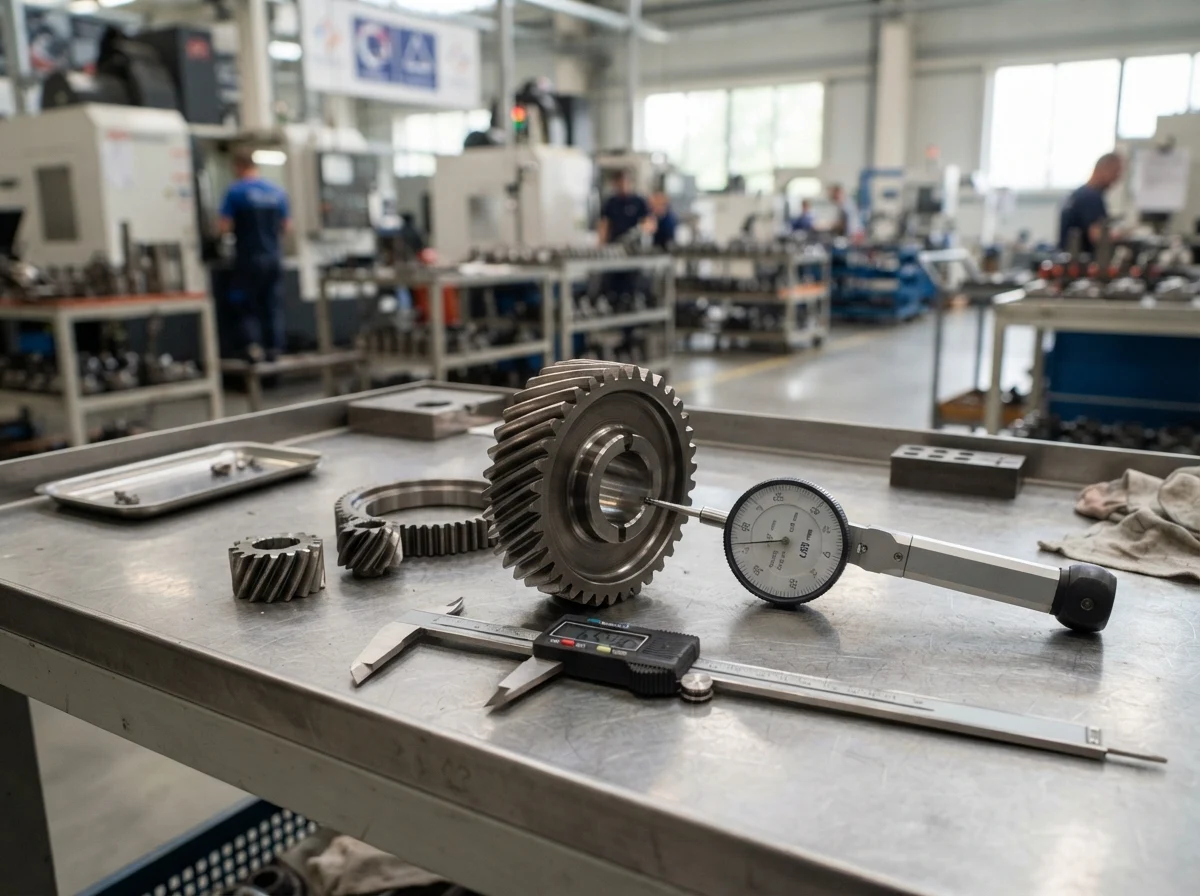
Romania hosts plants and suppliers for many of the largest car makers in Europe, producing wiring, gearboxes, seats, tools and electronic parts that ship to Germany, France, Italy and beyond, and the people who run these plants work with papers in Romanian and in English or German every day. Romanian translation for automotive suppliers and factories covers quality manuals, inspection plans, work instructions, audit reports, corrective action files, safety notices, training material, supplier contracts and technical drawings with notes. Factory language is short and strict, with abbreviations and standard phrases that must stay consistent across shifts and sites, Romanian adds its own endings and technical forms, and a mistake in a work instruction can lead to scrap, a stopped line or an accident. A plant runs safely and efficiently when instructions keep the same order and force in both languages, measurements and tolerances stay exactly as in the source and every term follows a glossary approved by quality and engineering. This article explains what suppliers should prepare and what a careful provider does.
Work instructions, safety notices and training
Operators read these texts at the machine, so clarity decides results. A supplier that needs Romanian translation services should send the current revision of each instruction with photos or drawings, the list of abbreviations used and the safety rules of the plant. The translator should keep numbered steps in the same order, keep warnings strong and short, leave values and units unchanged and mark any unclear step for the engineer to confirm before the text is issued.
Audits, corrective actions and quality files
Customers check supplier quality through audits, so reports must be exact. For translation from Romanian to English of audit reports, corrective action files and inspection plans, the provider should keep finding numbers, dates and part numbers identical to the source, use the standard terms of the quality system in use and keep the names of customers and sites unchanged. Statements of cause and action should follow the logic of the original without added opinion.
Contracts, drawings and glossary control
Supplier contracts set prices, delivery, quality limits and liability, and drawings carry notes that workers read daily. Ask the provider to keep clause numbers identical, to translate notes in drawings from the editable files and to build a bilingual glossary that is reused for every update. A review by a linguist with industrial experience, and a final check of layout and symbols on the printed sheets, gives the plant documents that work on the floor and in the audit room.
Italian influence on Maltese and translation dynamics
For a look at how closely related vocabulary can mislead translators in neighbouring languages, a point that also matters for Romanian with its Latin base, read our article on the Italian influence on Maltese and its translation dynamics which explains how shared roots and borrowed words create both help and false friends in translation.
Checking the translation before you submit
Before you send the file, compare every name, number and date with the source, and confirm that stamps and handwritten notes are marked in brackets. Ask the translator to fix any slip at no charge and to supply the signed statement with their name and credentials. A short final check can save weeks of delay with an office that rejects documents for small errors.
Quotes, deadlines and revisions
Ask for a written quote that lists word count, certification, delivery date and the number of review rounds included. Share deadlines early, because certified copies and long contracts need extra time. Agree how corrections are requested, and keep one contact person on your side so that feedback reaches the translator in one clear message.
Certification and legalisation
Offices abroad may require a certified translation and an apostille or attestation on the original paper. Ask what they accept in writing, order the certificate with the translation and keep scans of every stamped page. Plan extra days when several offices must stamp the same file.
Interpreting for meetings and hearings
Romanian interpreters support business negotiations, clinics, immigration interviews and court hearings. Share names, dates and a short agenda in advance, and avoid using children as interpreters, because accuracy and privacy both suffer.
Machine translation and review
Machine tools give a quick gist of Romanian text, but they often mishandle names, idioms and formal registers. Use them for rough understanding only and ask a native reviewer to check anything that will be submitted or published.
Storing your approved terms
After the first project, save approved names, titles and product terms in a short glossary and send it with every new order. Reuse of approved wording keeps documents consistent over months and lowers the cost of later projects.
Confidentiality and files
Send documents through a secure channel, share only what is needed and ask who will handle the files. Return all drafts in the same format as the original so that tables and stamps stay in place.
Where to read more
For a neutral overview of the history, grammar and use of the language, see the Wikipedia article on Romanian language , which also covers its dialects, its Latin origin and its place among the Romance languages.