Croatian Translation Service for Yachting and Coastal Tourism
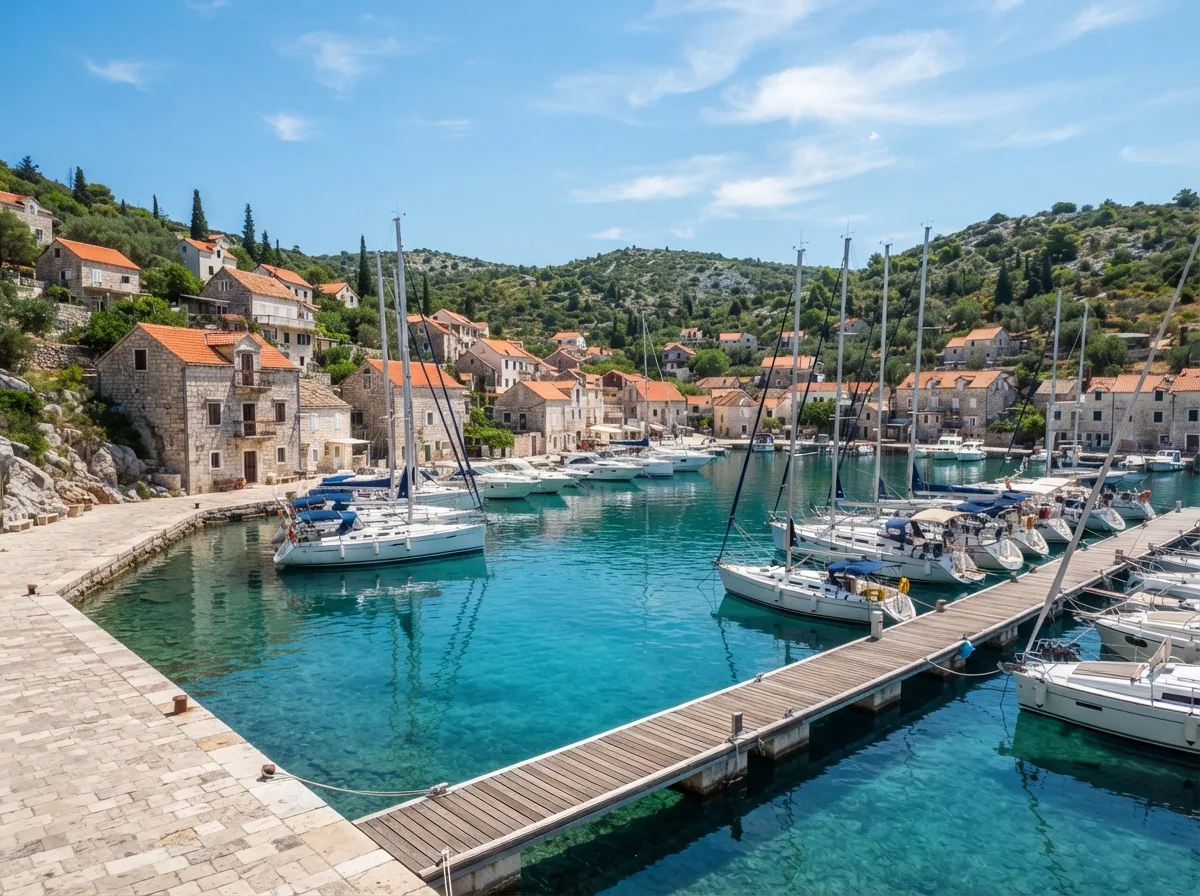
The Croatian coast welcomes sailors, holiday renters and cruise visitors every season, and the businesses that serve them work with both English and Croatian. A Croatian translation service for yachting and coastal tourism covers charter contracts, harbour regulations, safety briefings, marina price lists, apartment listings, restaurant menus, guest guides and booking emails. Croatian has seven cases, a standard form based on the Shtokavian dialect and local words for winds, sea conditions and places that visitors meet only on the water, so a general purpose text often misses the vocabulary that skippers and guests expect. A tourism text in Croatian works when the translator knows nautical and hospitality terms, spells place names the way the local authorities do and a native editor tests the draft against real signs and forms. This article explains how businesses can plan the work and what to ask a provider.
Charters, harbours and safety rules
Charter agreements and harbour notices contain duties, deposits and limits that both sides must understand. Anyone who needs Croatian translation service should send the final contract, the boat data sheet, the list of port and island names and any rules published by the harbour office. Safety briefings should use short commands, correct terms for equipment and wind or sea states and the same wording that appears on the boat, so that crews do not meet a different term on the water.
Listings, menus and guest guides
Guests read apartment listings and menus on phones, often in a hurry, and they trust offers that sound natural. English to Croatian translation of house rules and local advice helps staff and owners, while a Croatian to English translation of reviews, questions and notes from local partners lets managers abroad see what guests liked and where they had trouble. Keep dish names with a short explanation, give distances and times in the units that visitors know and avoid long literal phrases that read like machine output.
Names, cases and seasonal updates
Croatian place names change form in sentences, so the translator should use correct case endings and keep the official spelling on maps, signs and tickets. Ask a provider of Croatian language translation for a term base with nautical words, a native proofreading round and a plan for seasonal updates, because prices, ferry times and rules change every year. Store approved text and reuse it for newsletters, signs and booking pages, so that every channel gives the same facts in the same words.
Languages spoken in Croatia and translations
To see which languages visitors and locals use across the country, read our overview of the languages spoken in Croatia which explains the role of the standard language, the regional forms along the coast and the minority languages that shape signs and services today.
Checking the translation before you submit
Before you send the file, compare every name, number and date with the source, and confirm that stamps and handwritten notes are marked in brackets. Ask the translator to fix any slip at no charge and to supply the signed statement with their name and credentials. A short final check can save weeks of delay with an office that rejects documents for small errors.
Quotes, deadlines and revisions
Ask for a written quote that lists word count, certification, delivery date and the number of review rounds included. Share deadlines early, because certified copies and long contracts need extra time. Agree how corrections are requested, and keep one contact person on your side so that feedback reaches the translator in one clear message.
Certification and legalisation
Offices abroad may require a certified translation and an apostille or attestation on the original paper. Ask what they accept in writing, order the certificate with the translation and keep scans of every stamped page. Plan extra days when several offices must stamp the same file.
Interpreting for meetings and hearings
Croatian interpreters support business negotiations, clinics, immigration interviews and court hearings. Share names, dates and a short agenda in advance, and avoid using children as interpreters, because accuracy and privacy both suffer.
Machine translation and review
Machine tools give a quick gist of Croatian text, but they often mishandle names, idioms and formal registers. Use them for rough understanding only and ask a native reviewer to check anything that will be submitted or published.
Storing your approved terms
After the first project, save approved names, titles and product terms in a short glossary and send it with every new order. Reuse of approved wording keeps documents consistent over months and lowers the cost of later projects.
Confidentiality and files
Send documents through a secure channel, share only what is needed and ask who will handle the files. Return all drafts in the same format as the original so that tables and stamps stay in place.
Working with a project manager
For larger orders, ask for one project manager who tracks files, deadlines and questions from the translator. A named contact removes confusion, keeps versions in order and gives you one person to call when a reviewer or an office changes the request.
Where to read more
For a neutral overview of the history, grammar and use of the language, see the Wikipedia article on the Croatian language , which also covers its dialects and standard form.