Nepali Translation Services for Trekking and Tour Operators
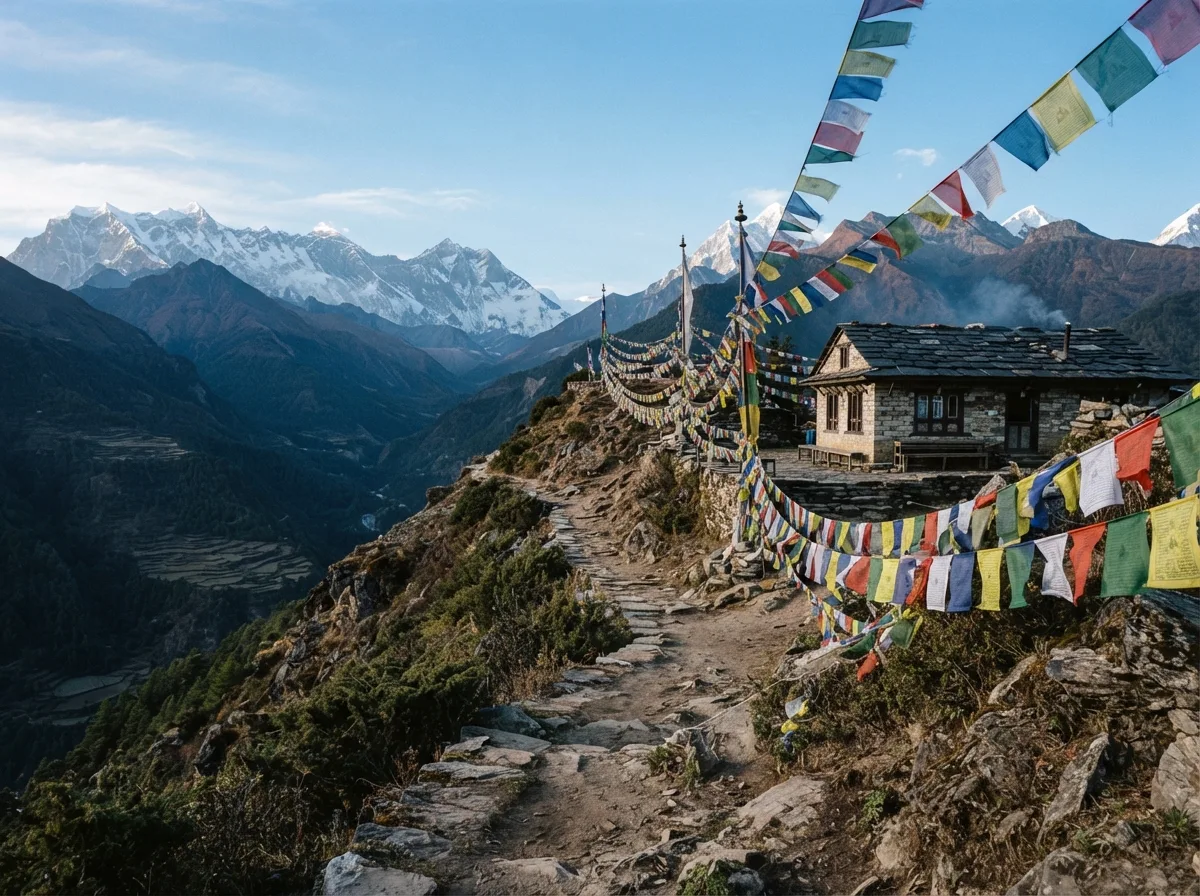
Nepal welcomes trekkers, climbers and pilgrims from all over the world, and tour operators, guides and lodge owners must share information in Nepali and English every day. English to Nepali translation for trekking and tour operators covers itineraries, permit applications, safety briefings, guide and porter contracts, insurance papers, lodge menus, booking terms and rescue instructions. Nepali is written in the Devanagari script, place names have many spellings in Latin letters, and safety words must be clear for guides who may speak another mother tongue such as Sherpa, Tamang or Gurung, so a vague phrase can affect the safety of a group. A trekking company protects clients and staff when place names follow one agreed spelling, safety rules are translated in plain words and every contract is available in a language that guides and porters read without help. This article explains how to prepare material and what to ask a provider.
Itineraries, permits and place names
Clients compare route names, altitudes and dates across brochures, permits and booking confirmations, so each name must be spelled in the same way everywhere. Anyone who needs English to Nepali translation should send the final itinerary, the permit forms and a list of preferred spellings of villages, passes and peaks. The translator should keep altitudes, distances and times exactly as in the source, convert nothing without marking it and add the Devanagari form of each place name beside the Latin form when a guide needs to read both.
Safety briefings, contracts and insurance
Safety briefings must be short and direct, since guides repeat them to groups in a hurry. For Nepali to English translation of a guide contract or a rescue report, the provider should keep names, dates, amounts and duties in the original order, and explain terms for local roles such as sirdar or porter in a short note. An English to Nepali translator who prepares insurance papers and consent forms for staff should use clear, respectful language and avoid jargon that a first time reader may not know.
Menus, bookings and ongoing updates
Lodge menus, booking terms and cancellation rules change with seasons, so a Nepali translator who keeps a glossary of food terms, equipment and weather words can update text quickly. Ask for a review by a guide or an operator who knows the routes, and for a version of key safety texts that can be read aloud, because many field staff rely on speech. Keep digital and printed copies, store the approved glossary and agree on one contact who can approve urgent changes before a season starts.
A checklist for hiring freelance translators
If your company plans to work with independent linguists for seasonal projects, read our practical checklist for hiring freelance translators which explains what to ask, how to test skills and how to agree on glossaries, deadlines and review steps before work begins.
Checking the translation before you submit
Before you send the file, compare every name, number and date with the source, and confirm that stamps and handwritten notes are marked in brackets. Ask the translator to fix any slip at no charge and to supply the signed statement with their name and credentials. A short final check can save weeks of delay with an office that rejects documents for small errors.
Quotes, deadlines and revisions
Ask for a written quote that lists word count, certification, delivery date and the number of review rounds included. Share deadlines early, because certified copies and long contracts need extra time. Agree how corrections are requested, and keep one contact person on your side so that feedback reaches the translator in one clear message.
Certification and legalisation
Offices abroad may require a certified translation and an apostille or attestation on the original paper. Ask what they accept in writing, order the certificate with the translation and keep scans of every stamped page. Plan extra days when several offices must stamp the same file.
Interpreting for meetings and hearings
Nepali interpreters support business negotiations, clinics, immigration interviews and court hearings. Share names, dates and a short agenda in advance, and avoid using children as interpreters, because accuracy and privacy both suffer.
Machine translation and review
Machine tools give a quick gist of Nepali text, but they often mishandle names, idioms and formal registers. Use them for rough understanding only and ask a native reviewer to check anything that will be submitted or published.
Storing your approved terms
After the first project, save approved names, titles and product terms in a short glossary and send it with every new order. Reuse of approved wording keeps documents consistent over months and lowers the cost of later projects.
Confidentiality and files
Send documents through a secure channel, share only what is needed and ask who will handle the files. Return all drafts in the same format as the original so that tables and stamps stay in place.
Where to read more
For a neutral overview of the history, grammar and use of the language, see the Wikipedia article on the Nepali language , which also covers its script, its dialects and its place among the languages of South Asia.